

Morning meetings are one of those ideas that sound lovely in theory and exhausting in practice.
You picture circle time, respectful listening, raised hands, thoughtful sharing.
Reality often looks more like:
- One child oversharing their entire weekend minute-by-minute
- Three kids arguing over whose turn it actually is
- You silently checking the clock wondering how this became your job
- That one student who always forgets what they were going to say
Here’s the EduHacking truth:
Morning meetings don’t fail because kids can’t do them.
They fail because teachers keep running them.
This hack isn’t having a morning meeting. It’s handing the ownership of morning meetings over to the students, deliberately, slowly, and with guardrails.
This is where the Student-Led Morning Meeting quietly transforms classroom culture.
The Philosophy (Why This Works)
Student-led meetings work because they flip three things that traditional meetings get wrong:
1. Ownership replaces compliance
When students run the meeting, they stop performing for you and start showing up for each other.
2. Predictability creates safety
A consistent structure lowers anxiety. Kids know what’s coming. No surprises. No social ambushes.
3. Voice becomes normal, not special
Speaking, listening, disagreeing politely. These stop being “SEL lessons” and start being how the room works.
You’re not teaching community. You’re engineering conditions where it forms on its own.
The Hybrid System: Structure + Student Control
This is not a free-for-all circle of chaos. It’s a tight structure with loose delivery.
The Non-Negotiable Structure (5 - 15 minutes)
Every student-led morning meeting sticks to the same bones:
- Welcome
- Prompt or Focus Question
- Share / Discussion
- Close / Transition
Same order. Every day. Every year level. Only the content changes.
How to Set It Up (Teacher Script Included)
Day 1 - 3: You Model Everything
Yes, everything. Over-explain. Narrate your thinking.
Teacher script example:
“Watch how I invite people to speak. Notice how I wait. See how I close the meeting clearly.”
You are not wasting time. You are building the operating system.
Day 4 - 10: Shared Control
Students begin taking single roles:
- Greeter
- Timekeeper
- Question reader
- Closer
You’re still steering, just with less visible hands on the wheel.
Week 3 Onwards: Full Student-Led
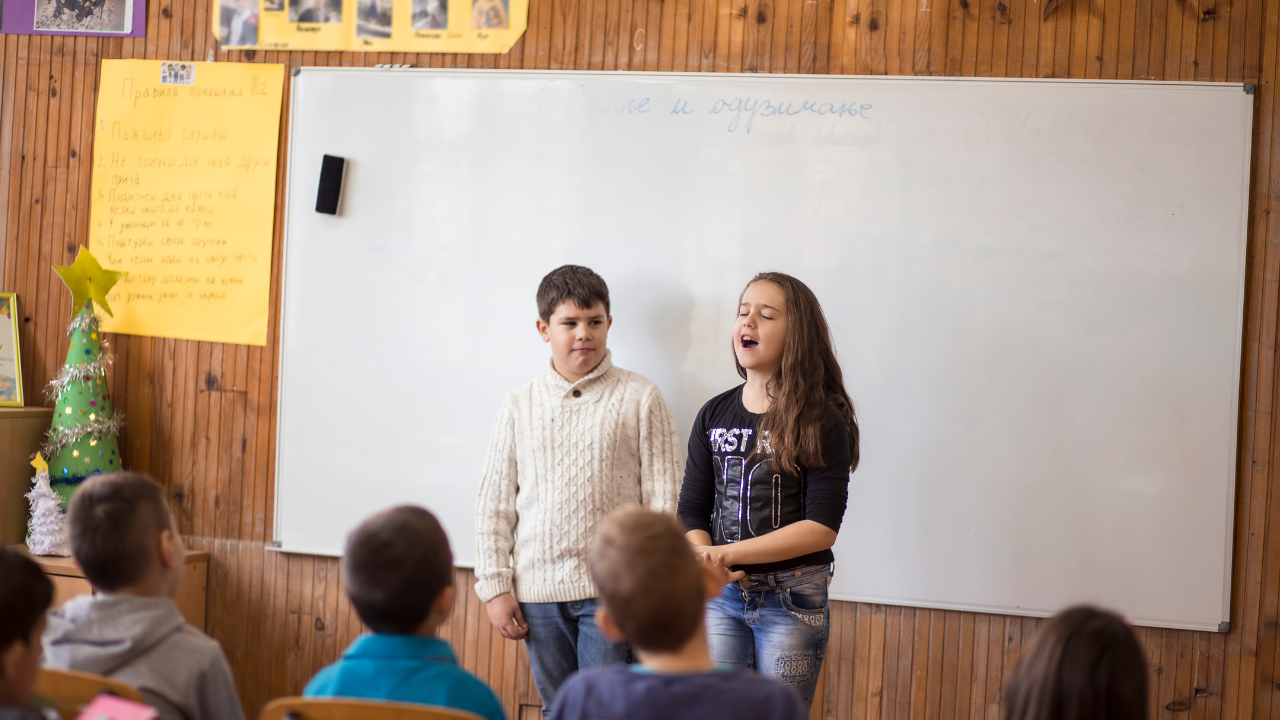
One student (or a pair) runs the whole thing.
You sit outside the circle.
This matters more than you think.
Physical distance = psychological ownership.
Student Roles That Actually Work
These roles prevent domination, awkward silences, and social meltdowns:
- Facilitator: keeps flow moving
- Equity Monitors: notices who hasn’t spoken
- Timekeeper: protects learning time
- Summariser: closes with a takeaway
Rotate weekly. Predictability beats novelty here.
Prompts That Build Culture (Not Chaos)
Avoid prompts that invite:
- Trauma dumping
- Competitive storytelling
- One-word answers
Instead, use prompts that are:
- Low-risk
- Opinion-based
- Universally accessible
Examples:
- “What’s one small thing that helps you feel calm at school?”
- “What makes a group feel fair?”
- “What’s something people often misunderstand about kids our age?”
These pair beautifully with lessons from posts like building emotional regulation routines or diffusing student arguments before they escalate.
Differentiation (The Quiet Kids, the Loud Kids, and Everyone Else)
For Shy or Anxious Students
- Allow pass tokens
- Let them co-host
- Accept written contributions read by the facilitator
Participation ≠ speaking every time.
For Dominant Voices
- Set a “one contribution per round” rule
- Use the Equity Monitor role strategically
- Praise listening publicly, not just talking
This mirrors strategies you’d also use when building stronger classroom relationships across the year.
Common Mistakes (Learn From the Fallen)
Making it optional
If it’s optional, it’s fragile. Consistency builds trust.
Letting it run long
Culture thrives inside boundaries. Use the timekeeper religiously.
Jumping in too fast
Silence feels uncomfortable — but growth lives there. Count to five in your head.
Treating it like “extra”
This is curriculum. Oral language. Social reasoning. Self-regulation.
Why This Saves You Time (Eventually)
Once embedded, student-led meetings:
- Reduce low-level conflict
- Improve transitions
- Build peer accountability
- Lower emotional load on you
It pairs naturally with systems like classroom automation routines, reset boxes, and low-prep SEL structures.
The Quiet Win
You’ll know it’s working when:
- You’re not needed to start the day
- Students reference past discussions unprompted
- New students slot in faster than expected
That’s not magic. That’s designed culture.
And the best part?
You didn’t add something new.
You just stopped owning something students were ready to carry.
